
STEM comes alive when you can build it, manipulate it, and see it respond in real time. These interactive tools are free to use, no account required.
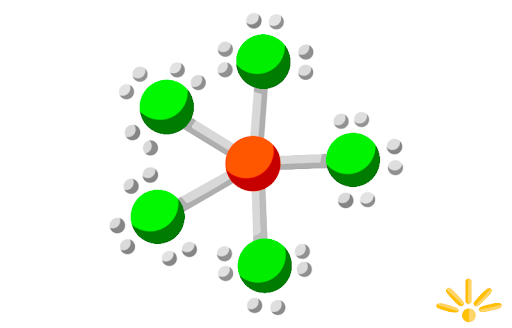
Build Lewis structures by attaching atoms with bonds and adding lone pairs. Track the formal charge and the number of electrons contributing to the octet of the atom. Fully screen reader-compatible and accessible with the keyboard control panel and auto-generated alt text descriptions. (Can be used with Kasi)
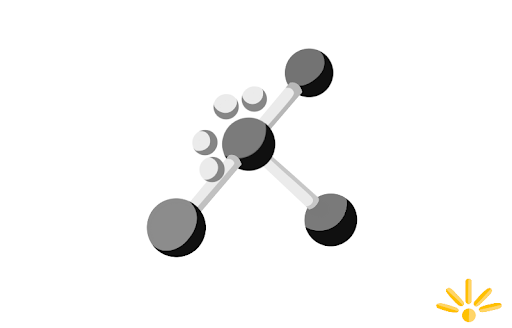
Observe electron and molecular geometries in 3D as you add lone pairs of electrons and bonding groups to a generic central atom. Instantly receive additional information about geometries and bond angles through the Model Data box as you build. Fully screen reader compatible and accessible with the ability to build using keyboard controls and receive audio descriptions of the model in real time.
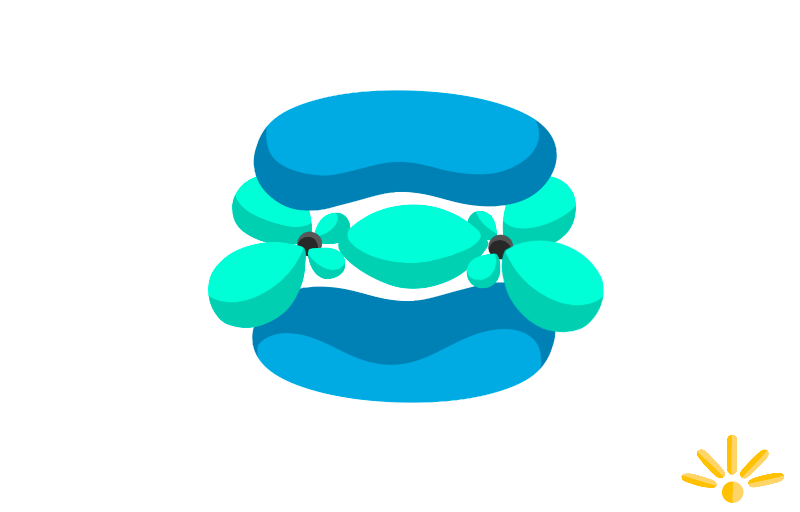
Build models of hybrid and atomic orbitals of a central atom and the adjacent atoms bonded to it within a molecule. Simply drag the s and p orbitals you want to combine then click HYBRIDIZE to form hybrid orbitals, and add in any remaining atomic orbitals. Rotating the entire molecule or a single atom aids in visualization of geometries and rotation of bonds.
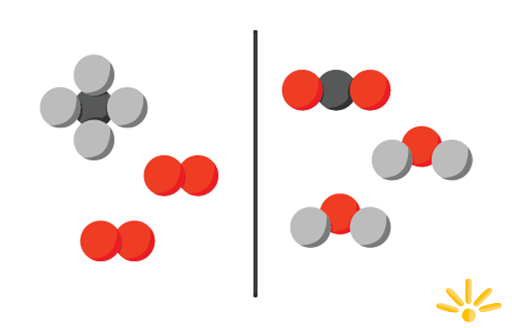
Build particulate representations of reactions by combining atoms to form molecules or updating the chemical equation. Model the reaction, predict the product, or balance the equation – with Reactions, the symbolic is tied to the particulate to aid in representational competency and visualizing chemical reactions. (Can be used with Kasi)
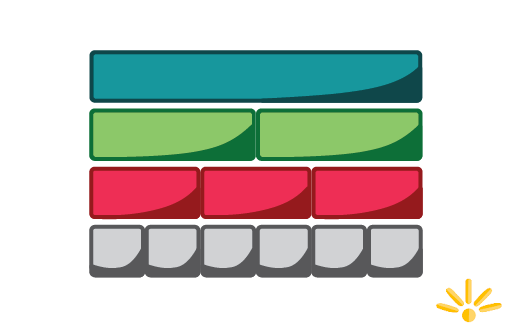
Try out different combinations of colored rods to explore a variety of math concepts from grades K-8. The system is based on the Cuisenaire® manipulatives of Hand2Mind. This born accessible math interactive has been developed as part of our participation in the NSF-sponsored Vital Prize Challenge. (Can be used with Kasi)
