Our technology transforms complex STEM concepts into interactive, intuitive learning experiences — designed for every learner to explore, build, and discover.
Great STEM learning is hands-on, exploratory, and interactive. We build tools that deliver that experience for every student — not as an accommodation, but as a design standard.
Explore Our Tools
Built from the ground up with accessibility in mind, not added as an afterthought. Every tool includes keyboard-accessible interfaces and AI-powered alternative text.

See molecules come to life. Build structures in 2D, then explore them in dynamic 3D models that help all students grasp spatial relationships.
Engage students through exploration and hypothesis testing. Our tools provide immediate feedback while encouraging deeper conceptual understanding.

Deployed through Learnosity and WileyPLUS across hundreds of institutions. Research-backed and supported by federal grants from NSF, NIH, and the Department of Education.
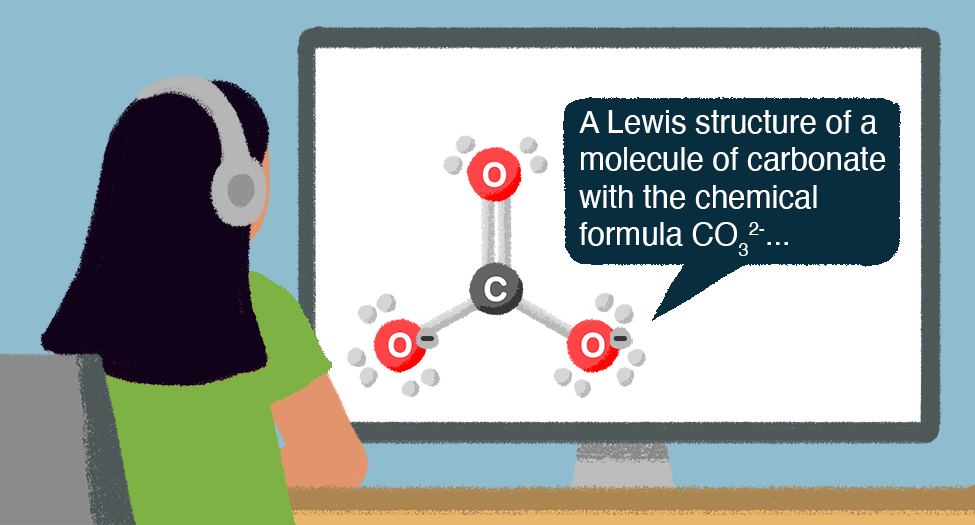
Our AI-powered system doesn't just describe molecules. It creates hierarchical, explorable descriptions that screen reader users can navigate at their own pace. This innovation makes complex chemistry accessible while creating better learning experiences for all students.
As online learning became more interactive, it became less accessible. We're closing that gap with born-accessible tools that allow students with blindness and low vision to independently construct, explore, and understand complex STEM concepts — molecular structures, force diagrams, graphs, and beyond — across K-12 and higher education.
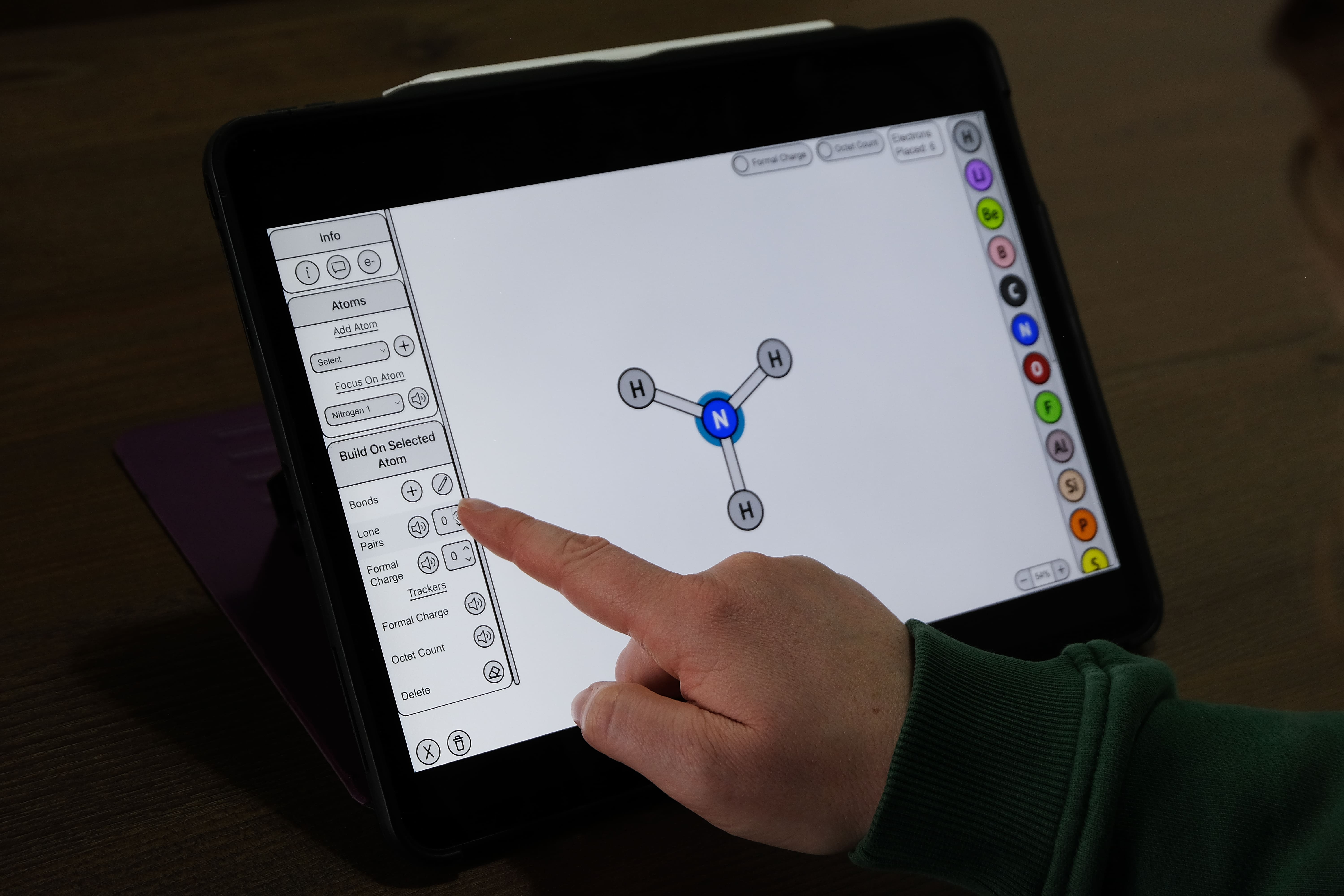
Born-accessible interactive tools for general and organic chemistry. Deployed at scale through Learnosity and WileyPLUS, and seamlessly integrated with Canvas, Blackboard, Moodle, and other major LMS platforms.
ADA Title II is now in effect. Piph Author automatically generates standardized alt text for chemical structures and reactions, so instructors can make their existing course materials accessible in minutes, not months.
Practice reaction mechanisms through guided, puzzle-based exploration. Over 150,000 students have used Mechanisms to build mechanistic reasoning skills. Available on web and iOS.